

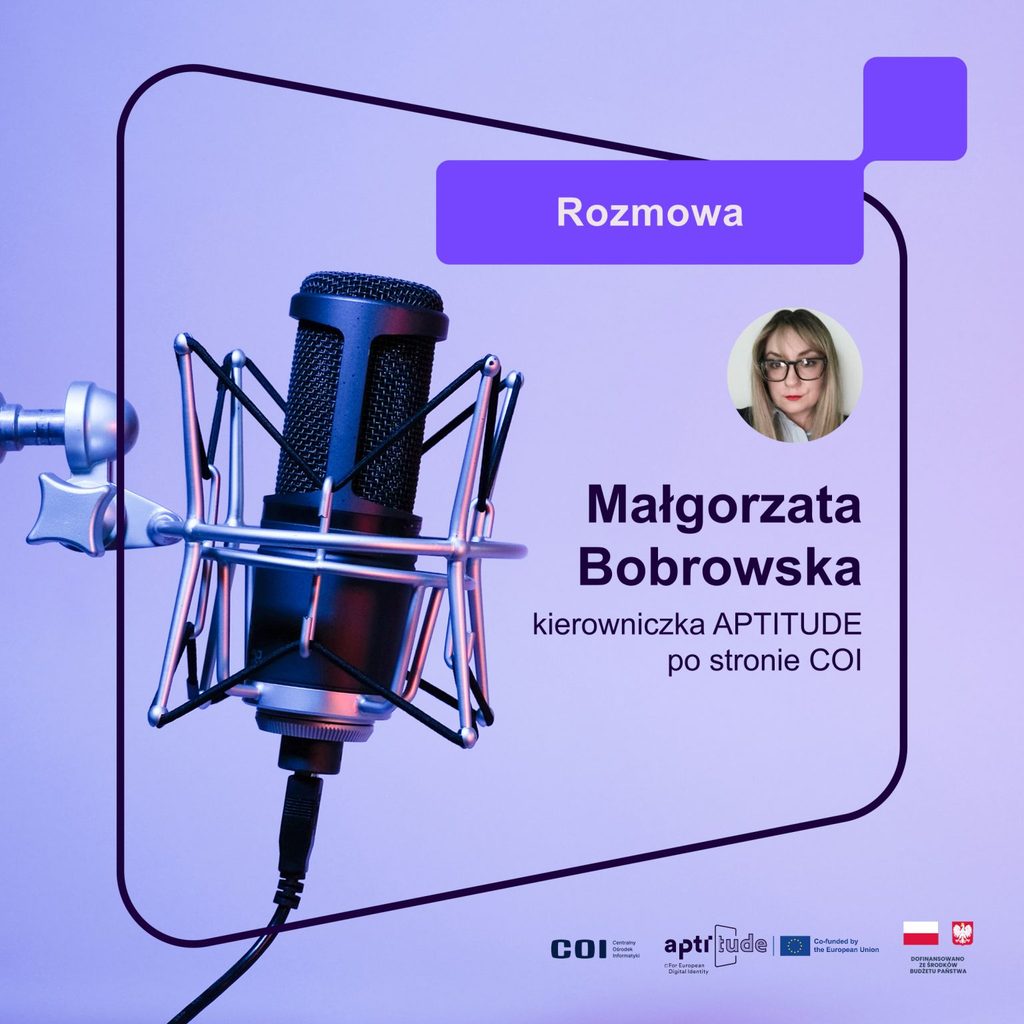
A series of interviews developed by Poland’s Centre for Information Technology (COI), offers an inside look at the development of solutions for the European Digital Identity Wallet through Aptitude.
The series brings together the perspectives of Małgorzata Bobrowska, Head of the Aptitude project at COI; Elżbieta Wójtowicz, Aptitude WP5 Leader and mVRC Area Leader; and Anna Smoczyńska, Senior Business Analyst supporting the development of the mVRC specifications. Together, their interviews explore Aptitude’s wider objectives, Poland’s leadership in the mVRC use case and the steps required to turn complex requirements into practical, cross-border services.
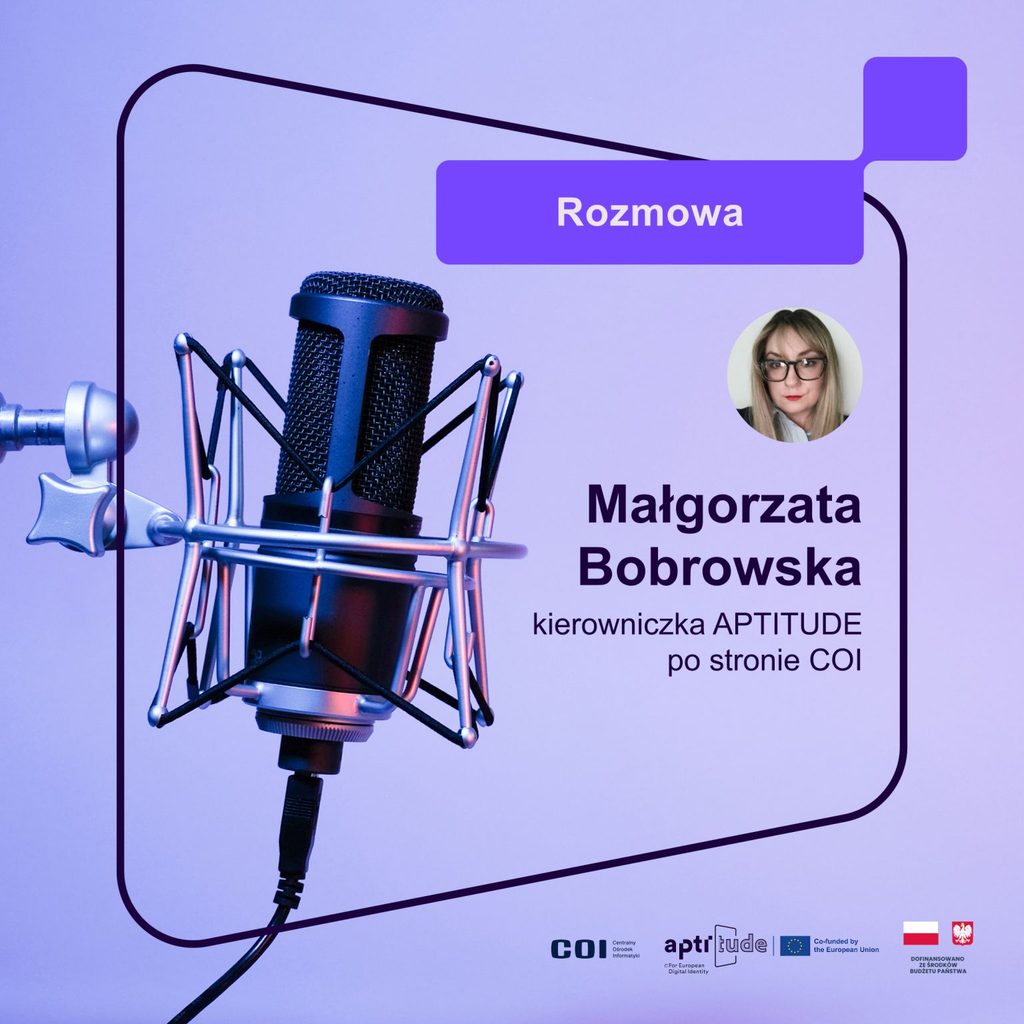
In the first interview, “Aptitude – a step towards digital Europe”, Małgorzata Bobrowska presents Aptitude as the next stage in the development of EUDI Wallet solutions, building on the foundations established by previous large-scale pilots such as POTENTIAL. She introduces Aptitude’s four use cases – Digital Travel Credentials, Tickets and Check-in, the mobile Vehicle Registration Certificate and Payments and Banking – while identifying interoperability as a core priority.
“Interoperability remains a priority for us. The essence of the European Digital Identity Wallet is precisely the ability to use it across borders – in different European Union countries, without geographical barriers.”
– Małgorzata Bobrowska, Head of the Aptitude project at COI
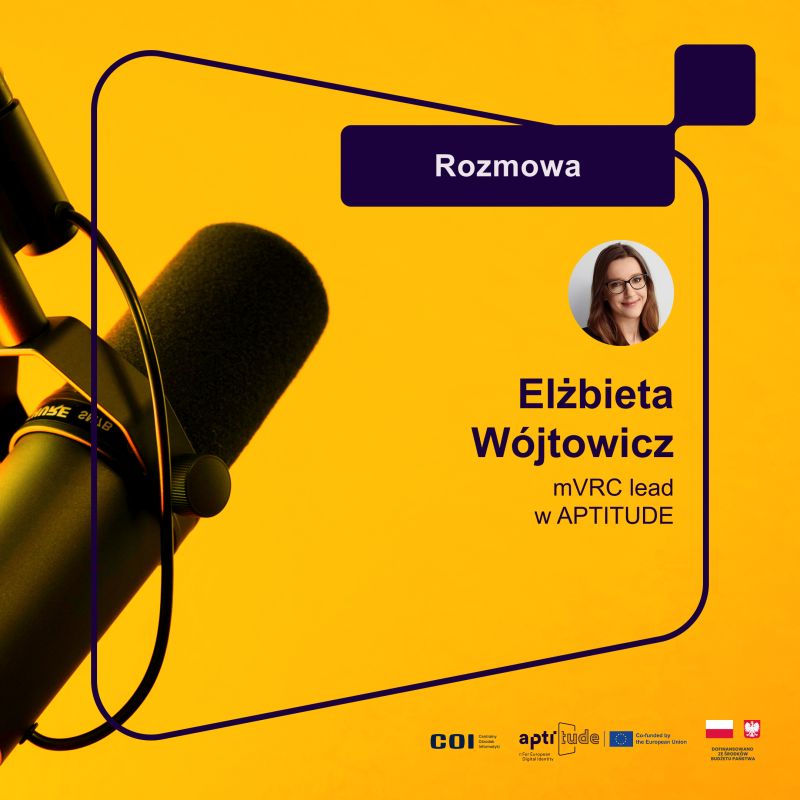
The second interview, “Aptitude (part 2) – a step towards digital Europe”, focuses on Poland’s role in leading the development of the mobile Vehicle Registration Certificate within Aptitude. Elżbieta Wójtowicz explains how partners from 11 countries are working together to define the credential’s structure, data requirements and technical rules.
The scenarios considered include confirming vehicle ownership or authorised use, presenting registration information during an inspection, renting or leasing a vehicle and delegating vehicle-use rights to another person. The interview also highlights the broader role of leadership in a European pilot: bringing together different national perspectives, supporting participating teams and maintaining a shared direction throughout the development process.
“The role of the leader in this type of project is not only to create technical documentation, but also to motivate teams, institutions and countries to collaborate and to leverage the potential that comes from their involvement.”
– Elżbieta Wójtowicz, Aptitude WP5 Leader and mVRC Area Leader
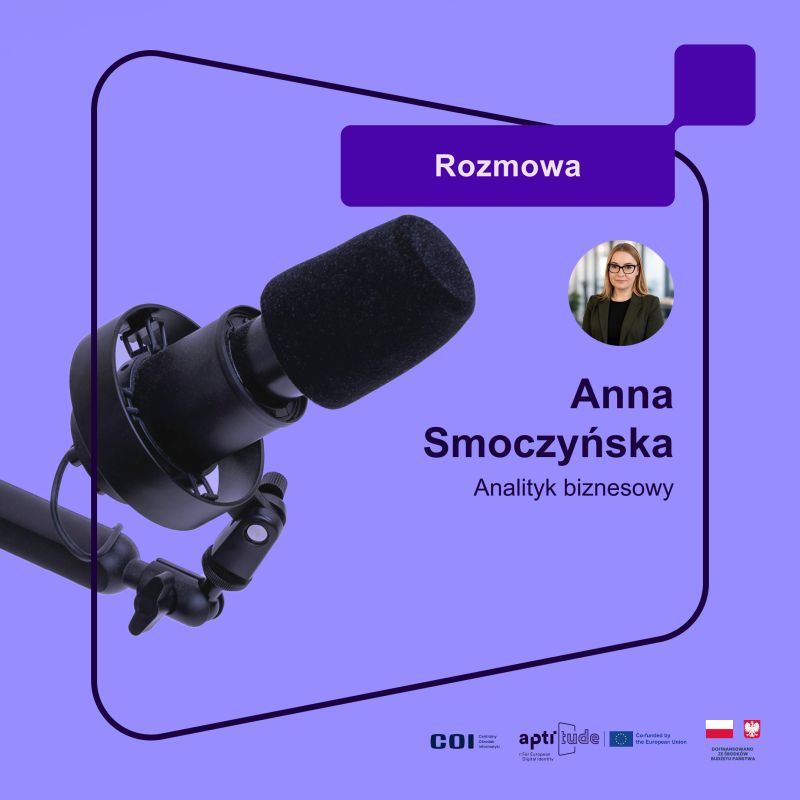
In “Aptitude (Part 3) – Challenges are the force that drives growth”, Anna Smoczyńska offers a closer look at the business analysis behind the mVRC, focusing on how legal, technical and operational requirements are translated into testable scenarios and detailed specifications for issuing, storing, presenting and verifying the credential through an EUDI Wallet. The development process draws on continuous consultation between participating partners, evolving technical requirements and the experience of countries at different stages of their digital identity journey. Her interview also demonstrates how the challenges encountered during a large-scale pilot can help identify limitations, refine proposed solutions and increase their potential value for future users.
“The greatest value of this project is the communication and collaboration between the teams involved.”
– Anna Smoczyńska, Senior Business Analyst supporting the development of the mVRC specifications
Together, the interviews demonstrate how Poland’s national expertise and COI’s experience in digital public services contribute to Aptitude’s wider European objectives. They also reinforce a central message of the project: secure, user-centred and interoperable digital identity solutions are built through close cooperation across countries, organisations and technical environments.