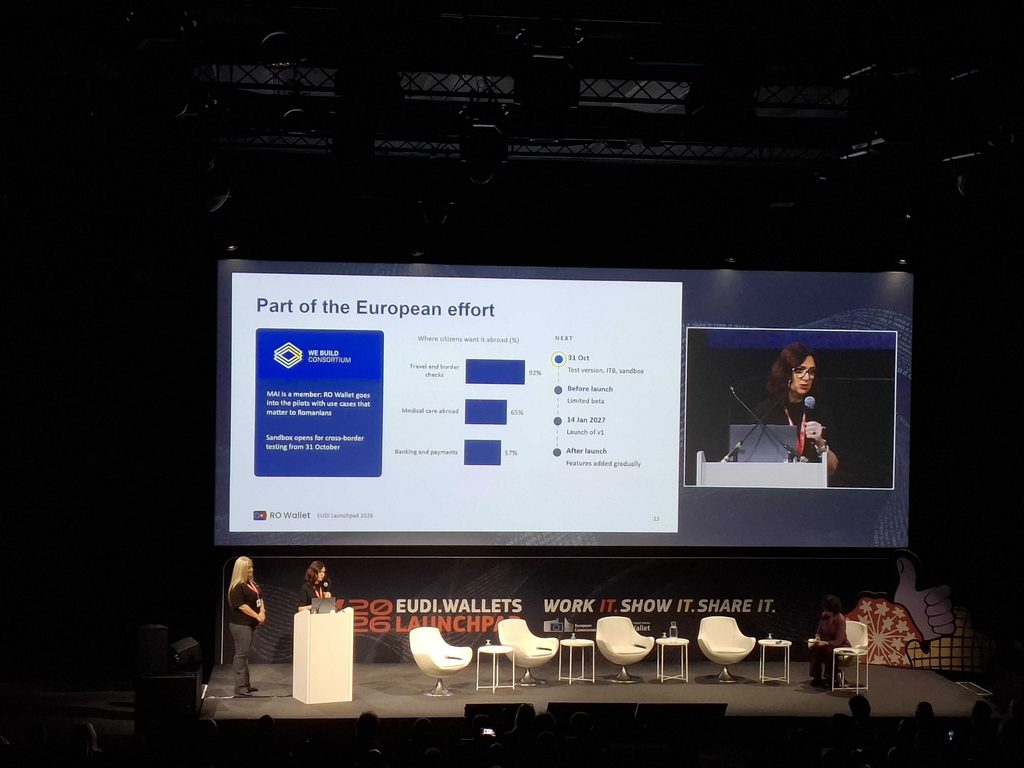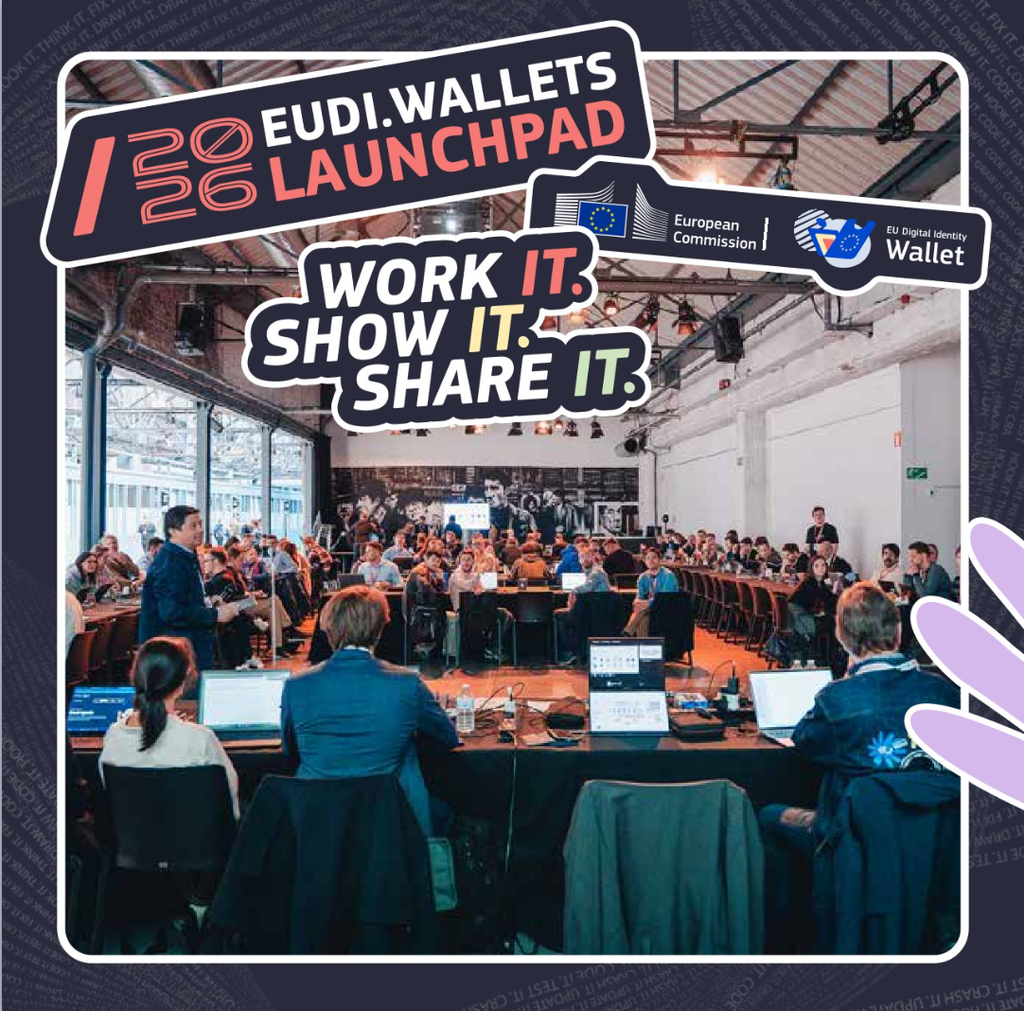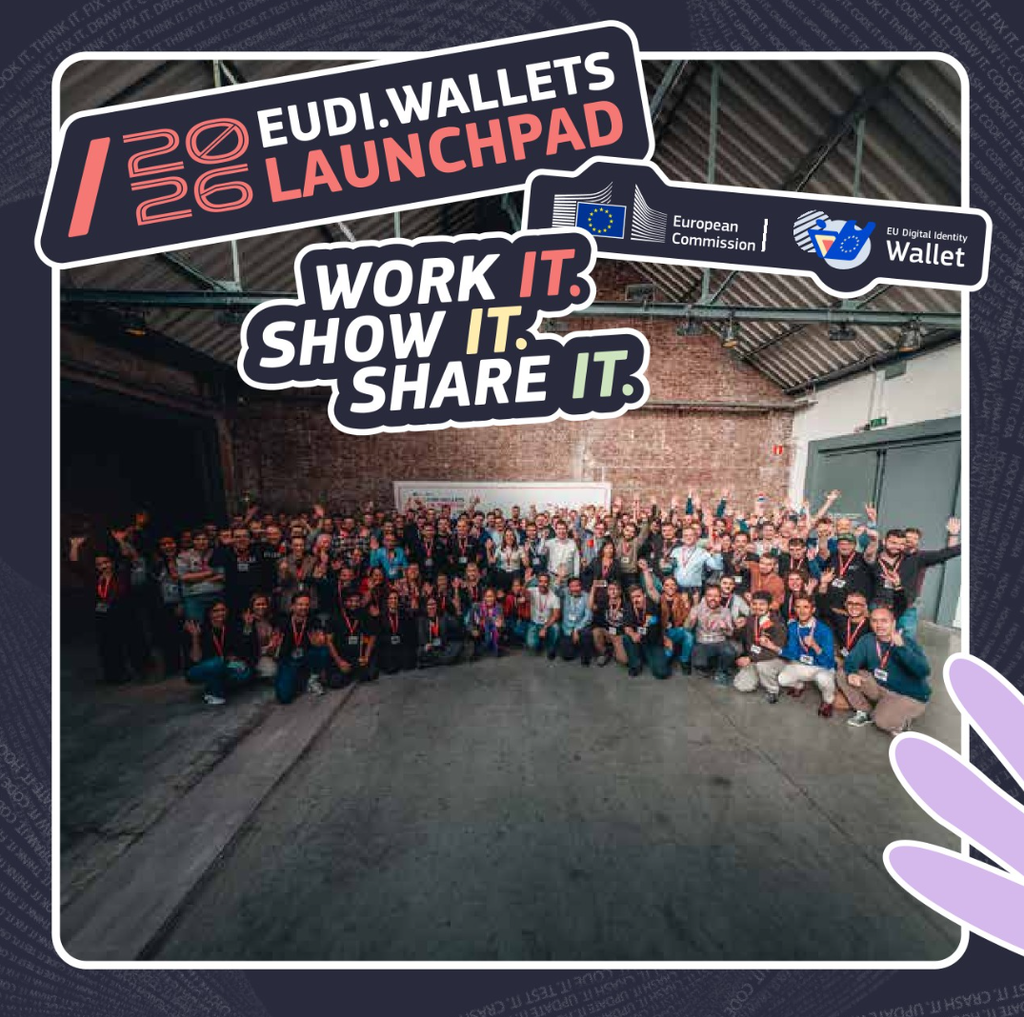


On 29-30 October 2026, The Egg in Brussels hosted the second edition of the European Commission’s EUDI Wallets Launchpad. Under the motto “Work it. Show it. Share it.”, the event brought together 550 participants from 27 countries: Member State wallet teams, the Large-Scale Pilots Aptitude and WE BUILD, mDL4EU, certification bodies, relying parties and issuers. Over two days of testing, live demos, workshops, keynotes and panels, they worked together to move the EU Digital Identity Wallet ecosystem from preparation to launch.
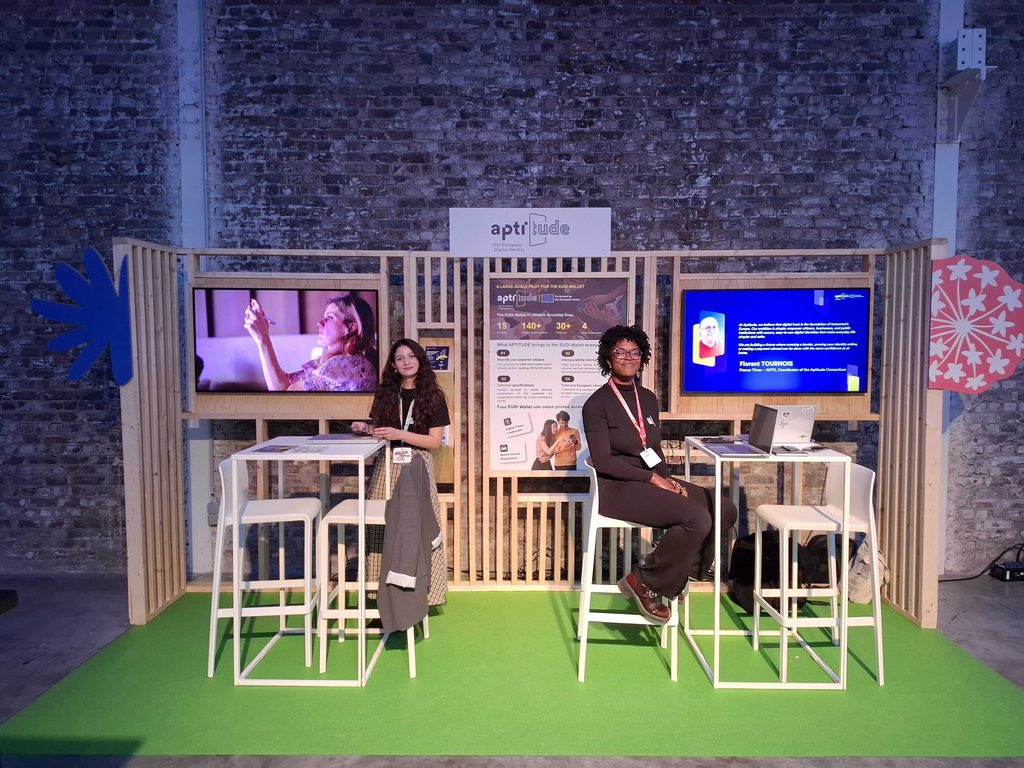
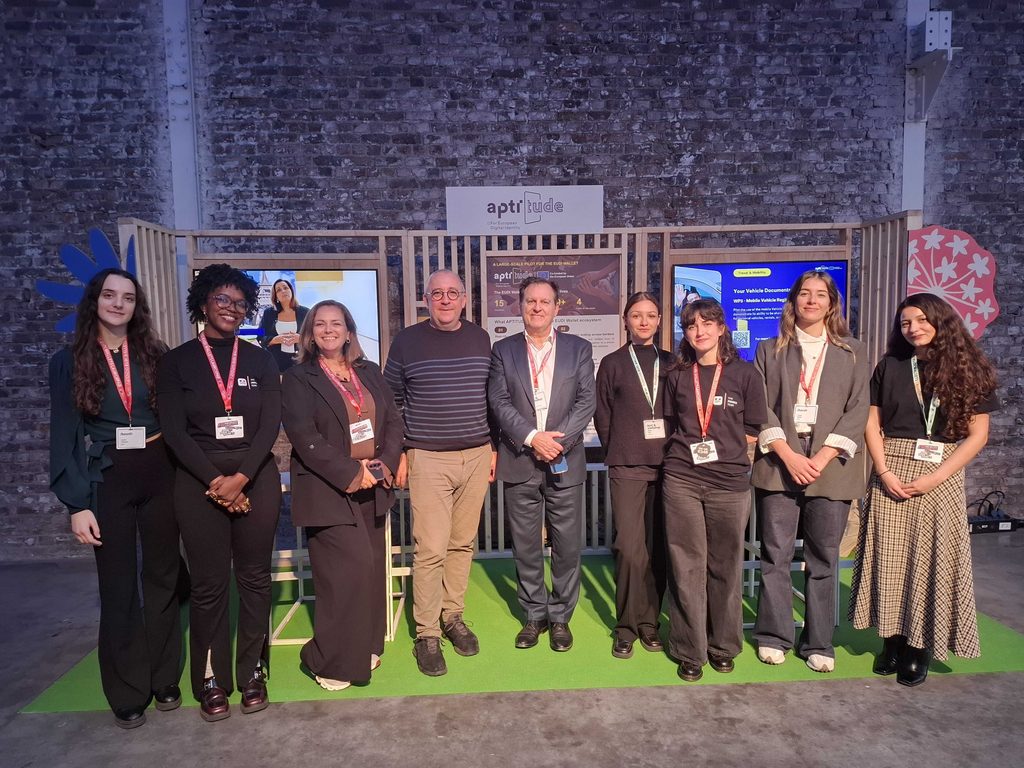
Aptitude was present throughout the programme. Partners showcased the project’s use cases in the Auditorium and Studio, joined expert discussions on interoperability and communication, took part in the hands-on testing sessions and welcomed visitors at the dedicated Aptitude booth. Over both days, the booth brought together the project’s coordinators, Work Package leaders and partners from across the consortium, including Project Coordinator Florent Tournois, Deputy Coordinator Philippe Nieto and Panos Louridas, Director of the Research & Development Directorate at GRNET.
DAY 1
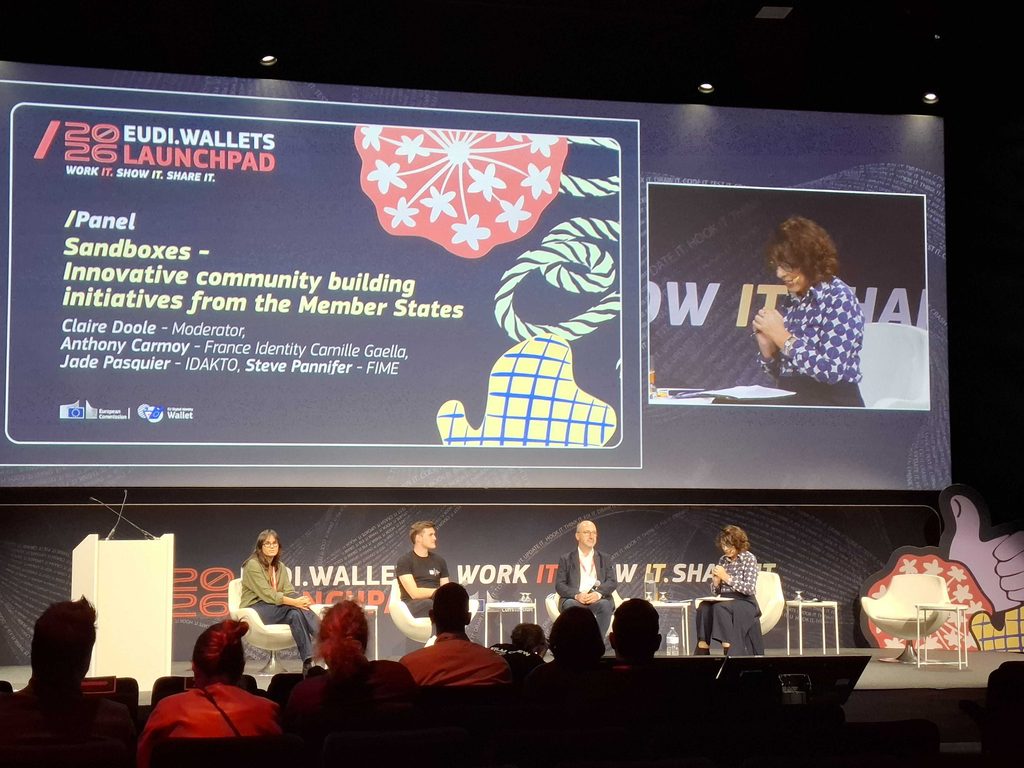
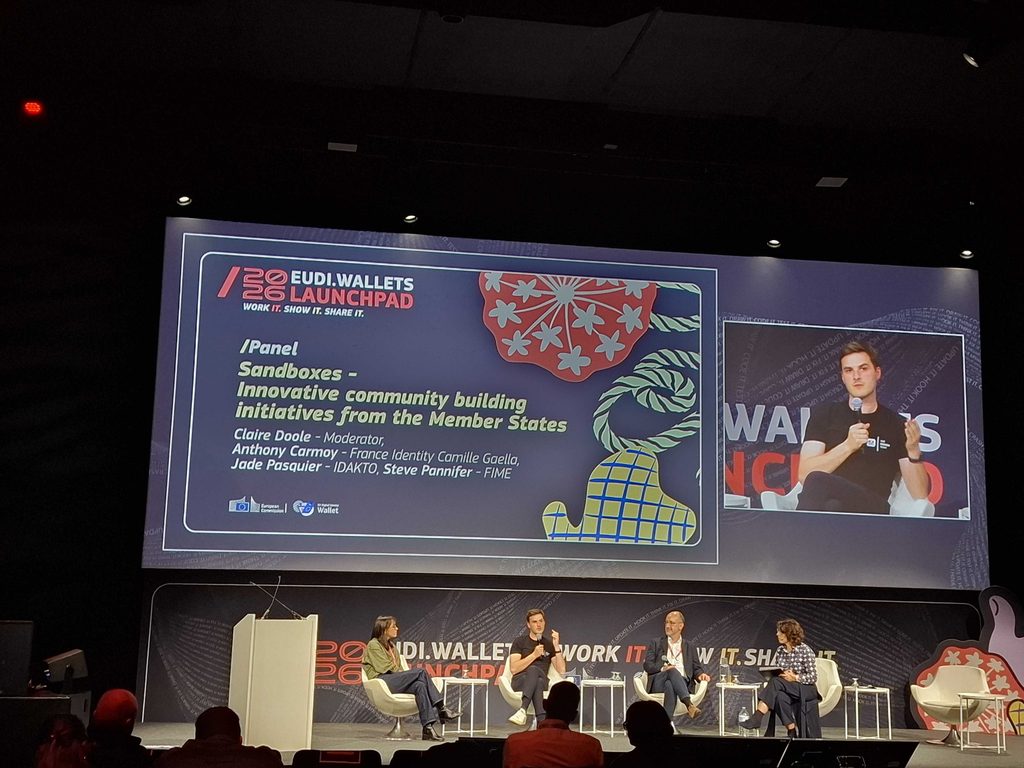
On the first day, Anthony Carmoy from France Identité – France Titres took part in the Auditorium demo session “From launch to adoption”, presenting how integration tools, use cases and partnerships can speed up ecosystem participation. He later joined the Studio panel “Wallet interoperability in practice”, which discussed how the wallet ecosystem has tackled interoperability in architecture, standards and implementation and the lessons learned along the way.
The day continued with the Auditorium demo session “Travel & Mobility”, featuring two Aptitude presentations. In “One Journey, One Wallet”, a joint showcase by GRNET and the University of the Aegean for Aptitude and WE BUILD, Petros Kavassalis and Nikolaos Triantafyllou from the University of the Aegean demonstrated how the EUDI Wallet can connect the different moments of a European journey. Wafa Boussaid and Pascal Janer from IN Groupe then presented “From Identity to Boarding”, demonstrating how PID, boarding passes and biometrics can support a seamless passenger experience at Marseille Airport.
Aptitude also contributed to the co-creation workshop “EUDI Wallets communication campaigns”, which explored how to streamline messaging, shape the media mix and prepare for crisis management as Member States get ready to communicate about their wallets. Artemis Psarianou, Head of the Marketing & Communications Department at GRNET, Vasiliki Tomazou and Elisavet Maniou from GRNET presented the results of Aptitude’s messaging workshop, held at the 2nd Board of Beneficiaries in Milan, where partners worked together on messages for each of the project’s use cases.
DAY 2
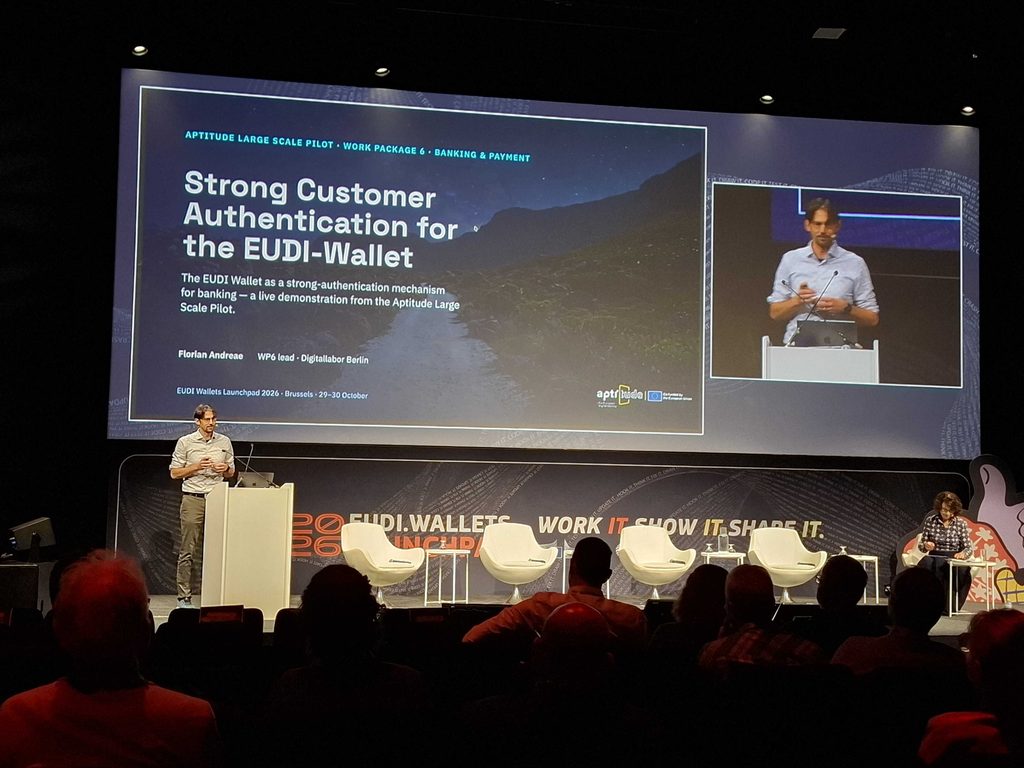
On the second day, in the Studio, Petar Chardakov from Ubiqu presented “Keeping Digital Signatures Safe in the Wallet Era”, a joint Aptitude / WE BUILD demo on how cryptographic keys and signing mechanisms can stay secure when people sign with their wallet. In the Auditorium, Florian Andreae from DSGV, Payments and Banking Lead at Aptitude, presented “Bringing Strong Customer Authentication to Life” during the “Payments & Banking” session, showing how the wallet can be used to authenticate customers in different banking scenarios while meeting compliance requirements.
Testing and booth
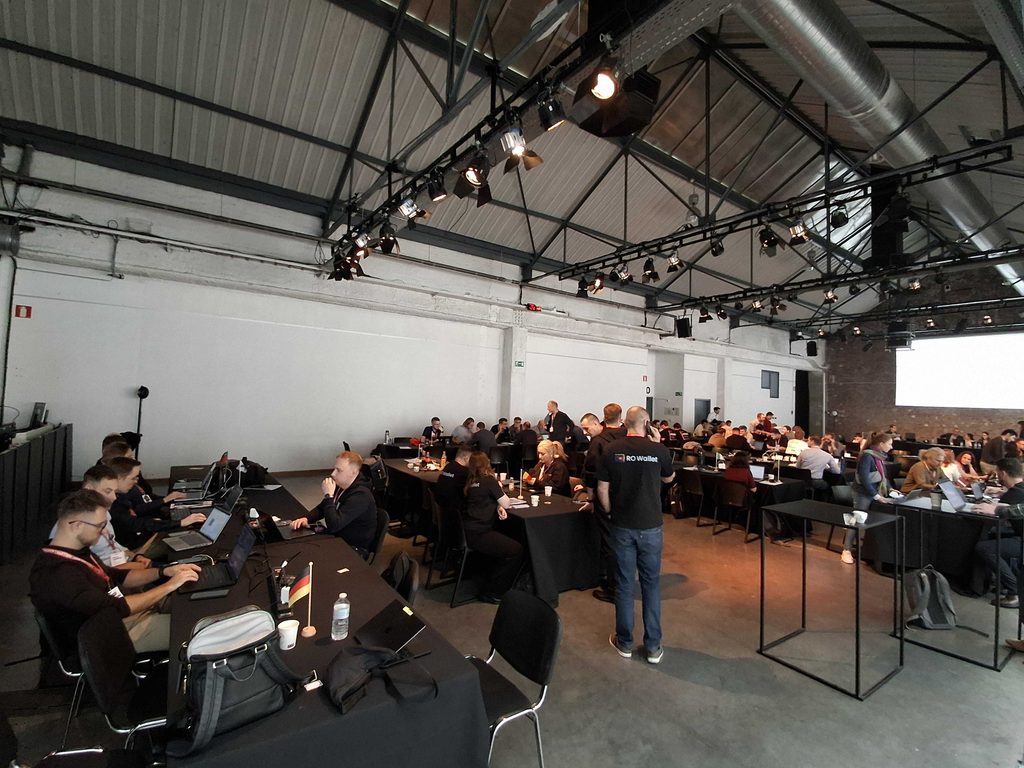
Alongside the stage programme, national wallet teams from almost all Aptitude countries took part in the “EUDI Wallets Interoperability testing session”, testing their national EUDI Wallets and assessing their readiness.
Throughout both days, visitors to the Aptitude booth had the chance to discover the project’s use cases up close: Digital Travel Credentials, Smart Ticketing & Check-in, the Mobile Vehicle Registration Certificate and Payments with Strong Customer Authentication.
More information about the event is available on the EUDI Wallets Launchpad 2026 page.