



On 4 November 2026, two Aptitude partners took the Main Stage of the Future Finance Summit at CIC Warsaw, a high-level international conference held as part of Warsaw Finance Week and organised by Future Finance Poland. The summit brought together more than 700 decision-makers from finance, technology and public institutions, with digital identity among the key topics on the agenda alongside AI, capital markets and cybersecurity.
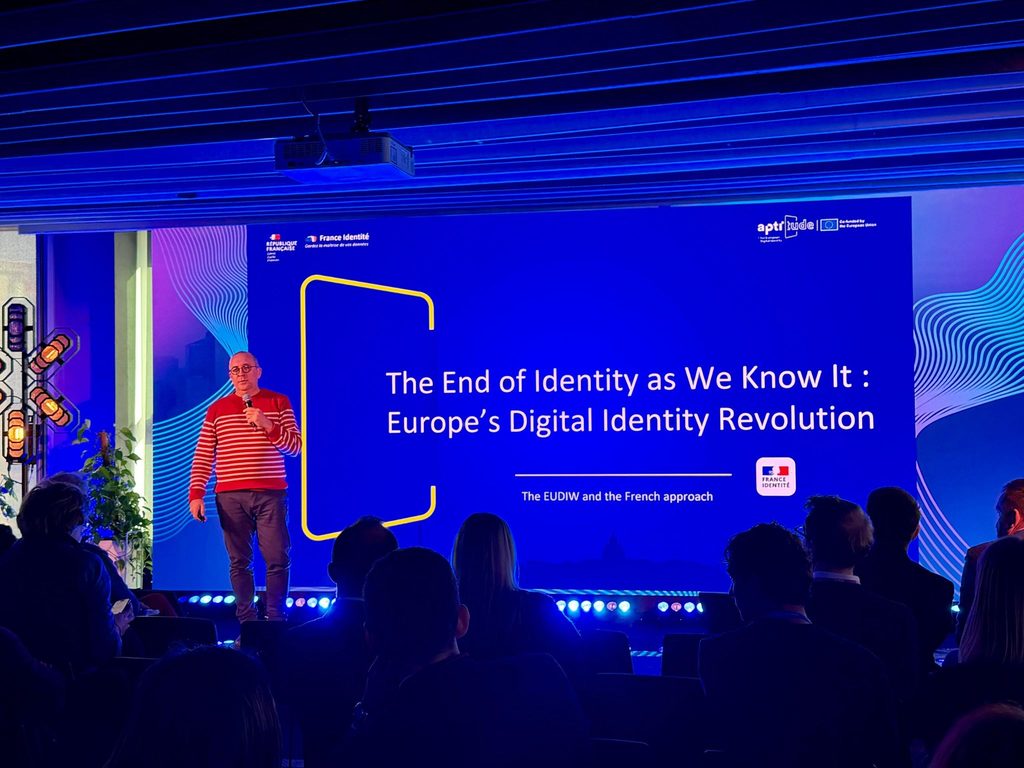
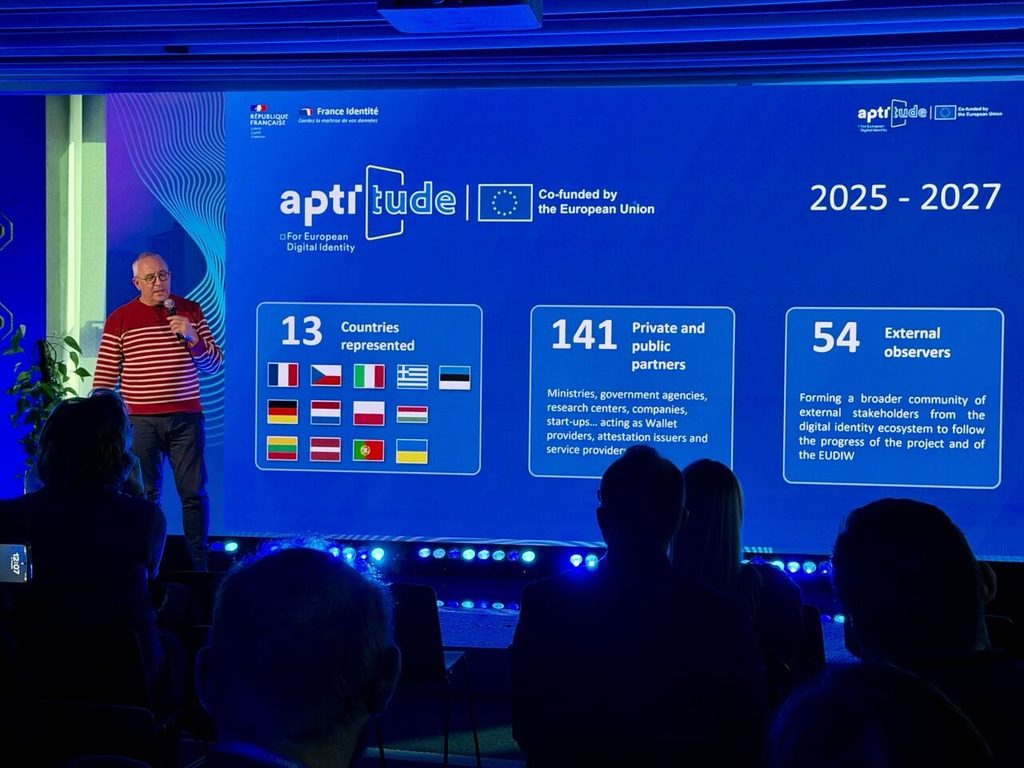
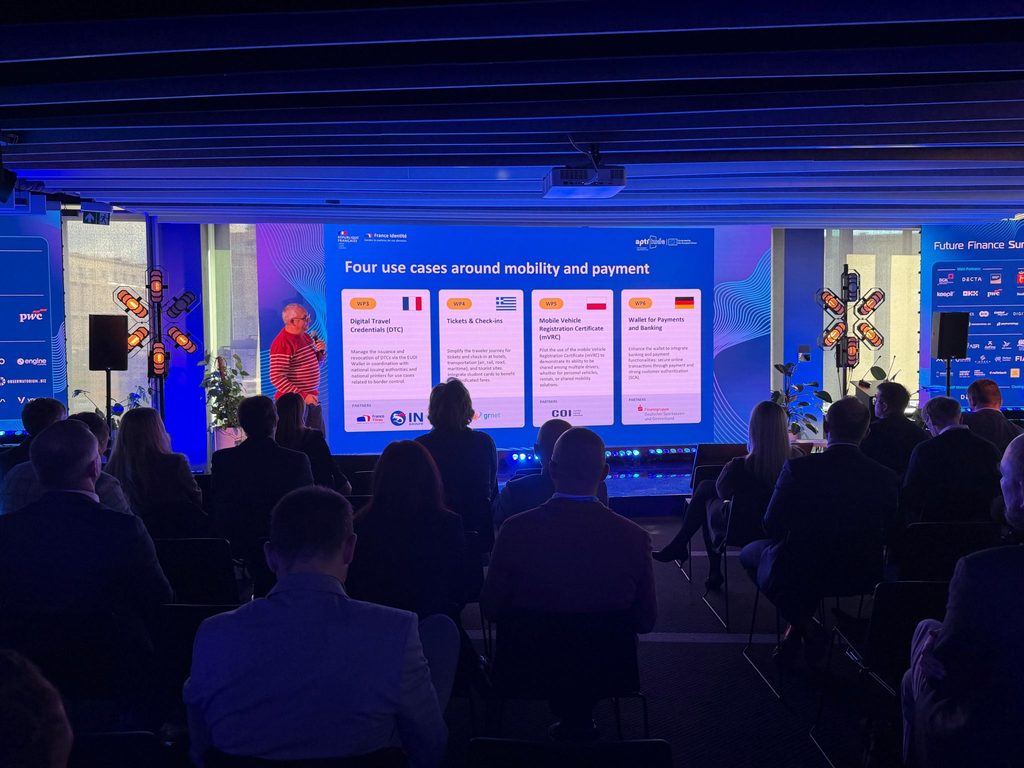
Payments are one of the use cases Aptitude is testing and the summit offered an opportunity to share this perspective with the financial sector. In his keynote “The End of Identity as We Know It: Europe’s Digital Identity Revolution“, Florent Tournois, Aptitude Coordinator and Director of ANTS / France Identité, explained how the identity we know, a plastic card or a scanned document sitting in someone’s inbox, is coming to an end. With the European Digital Identity Wallet, people share verifiable data and only what a service needs. For banks, this means faster onboarding, lighter KYC processes and less document fraud.
He then joined the panel “The Evolution of Digital Identity” alongside Rafał Sionkowski of Poland’s Central Information Technology Centre (COI) and representatives of Google Wallet, Visa and IDENTT. The discussion highlighted that the wallet must allow people to prove their identity when making a payment or opening a bank account, with a level of trust that meets regulatory requirements.
A key takeaway was the need for a roadmap shared with the banking sector. Under eIDAS 2, banks will have to accept the wallet when customers choose to use it. The week also brought recognition for Aptitude’s Polish partner, as COI received the Financial Infrastructure & Digital Trust Award at the Future of Finance Awards 2026.
Read more about Warsaw Finance Week 2026 on the Future Finance Poland website.